


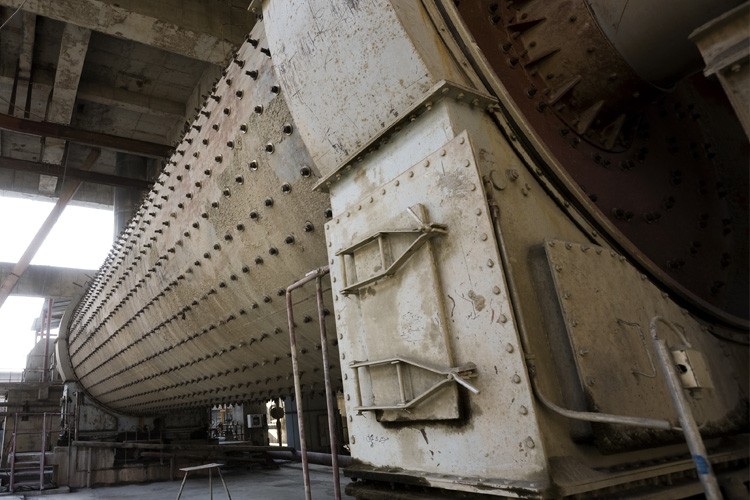
Eliminating Bolted Joint Failures in Cement Ball Mills
Sustained vibration and extreme temperatures make bolted joint failures a constant risk in cement production. A large European cement producer eliminated fastener-related downtime by installing J.Lanfranco ESL self-locking locknuts on critical ball mill assemblies.
Preventing Bolted Joint Failures in Cement Production
The Challenge: High Vibration, High Heat, High Cost of Failure
In cement production, maximum plant availability and equipment integrity are non-negotiable. Ball mills and other critical assets operate under sustained vibration and extreme temperatures—conditions that expose the weakest link in many installations: the bolted joint.
Under these service conditions, conventional fasteners are prone to:
- Loss of bolt tension
- Progressive loosening
- Seized nuts caused by galling or corrosion
When bolted joints fail, the consequences go beyond hardware replacement.
The Operational Impact of Bolted Joint Failure
Unplanned downtime creates cascading problems for both maintenance teams and plant management, including:
- Reduced production throughput
- Increased maintenance time and labor costs
- Higher cost per ton of output
- Direct loss of profit
For large cement operations, even minor fastener-related failures can disrupt an entire production campaign.
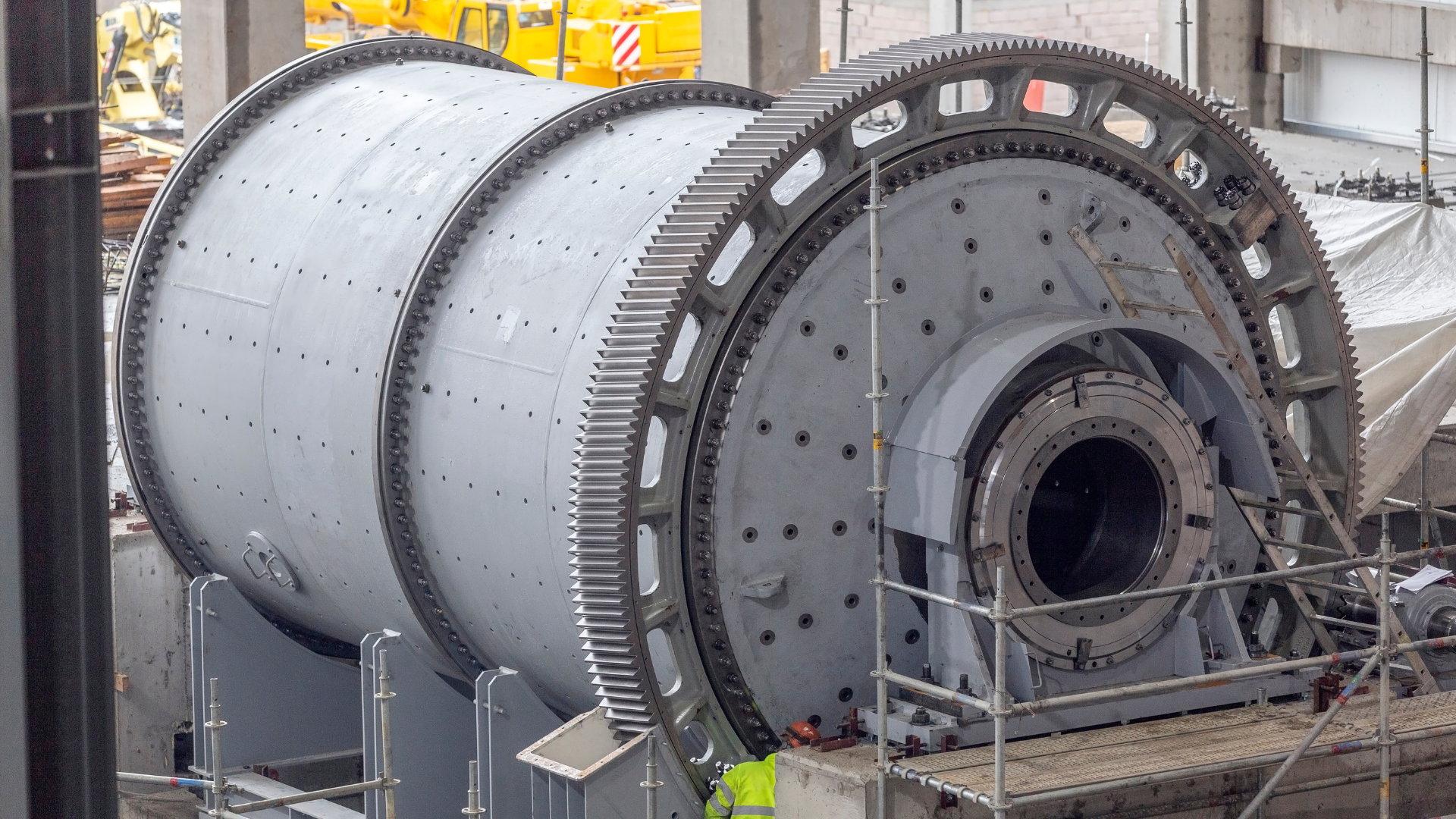
Defining a Practical Objective & Installation of the ESL Locknut
To eliminate bolted joint-related failures, a large European cement producer evaluated J.Lanfranco ESL self-locking locknuts on its ball mills.
The ESL locknuts were installed in M30 × 2.50 (fine pitch) and monitored over the course of an entire production campaign. Standard installation practices and tools were used.
Throughout the evaluation period:
- No bolts loosened
- No production stoppages occurred due to fastener failure
The locknuts maintained clamp force despite constant vibration and thermal cycling.
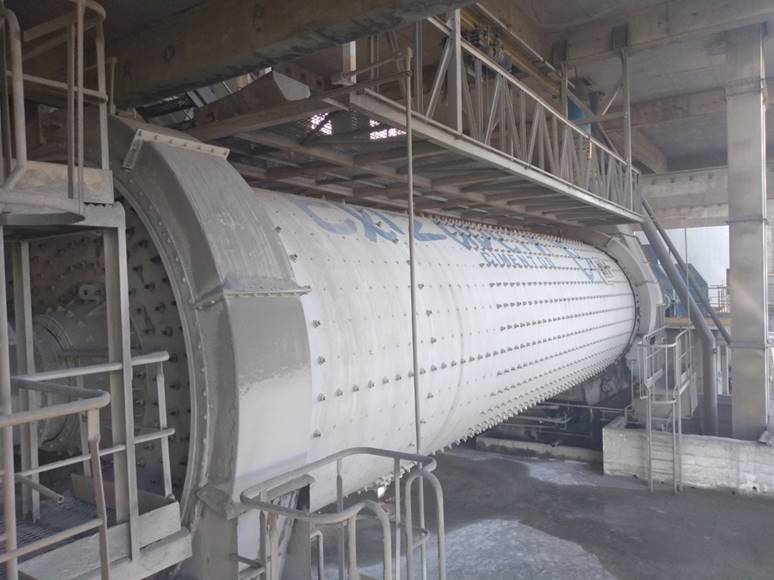
Proven Performance Drives Standardization
Following the successful trial, the company issued a corporate-wide memo documenting the results and encouraging other plants to conduct their own installations.
High resistance to vibration ensures quality and removes the risk of bolt-failure related delays.
Today, J.Lanfranco ESL locknuts are used in M30, M33, and M36 (fine pitch) across multiple cement factories within the organization—with no quality issues and no bolt failure-related production delays reported.